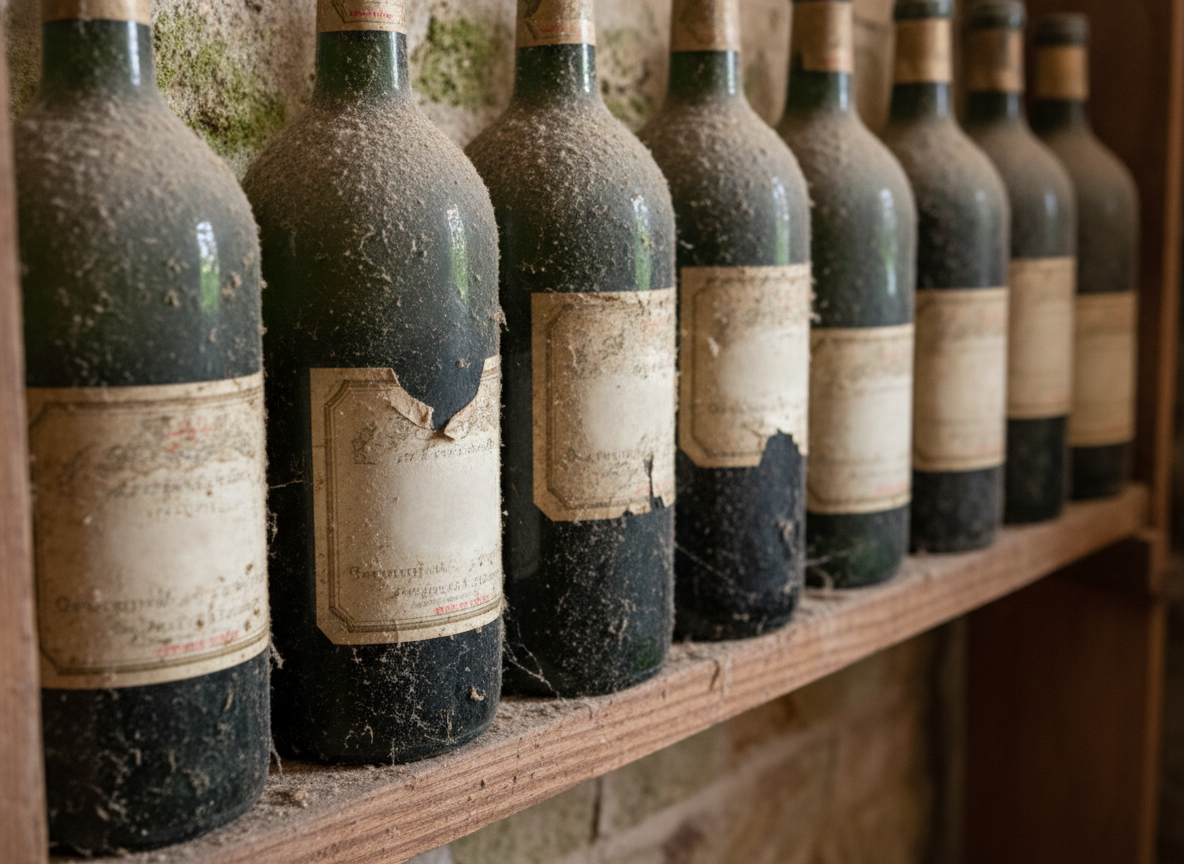
The five fields that actually predict what is in the bottle.
Every wine label tells you the same set of things, although the order and prominence varies. Here is what to look for, in roughly the order it matters.
1. The appellation
The named region — Sancerre, Barolo, Margaux — is doing more work than any other single piece of information on the label. It tells you the climate, the soil, and (in regulated regions) the grape variety, the maximum yield per hectare, and often the minimum ageing.
2. The producer
For a given appellation, the producer accounts for most of the variation in quality. A bottle marked Bourgogne from a great producer can be more rewarding than a generic Grand Cru from an indifferent one.
3. The vintage
The year on the bottle. In regions with strong vintage variation (Burgundy, Bordeaux, Champagne) the vintage matters a great deal; in more consistent climates (Mendoza, Marlborough) it matters less. A non-vintage Champagne (NV) is a deliberate house blend across years.
4. Alcohol by volume
Often missed, but quietly informative. ABV correlates with body, ripeness, and to some extent climate. A Bordeaux at 12.5% drinks differently from a New World Cabernet at 15%, even before you smell either.
5. The bottling line
Look for mis en bouteille au château (estate-bottled), récoltant-manipulant (grower-bottled, important for Champagne), or simply the producer’s address. These tell you the wine was bottled at the source, not at a négociant who bought it in bulk.
Ignore everything else: medals, romantic estate names, vintage charts on the back. The five fields above will tell you most of what you need to know.