A word that means something specific in Spain, almost nothing in California, and is up for grabs everywhere else. Here is what it does, and does not, promise.
Walk into a wine shop in any major city and you’ll find half the bottles labeled “Reserve,” “Reserva,” “Riserva,” or “Grand Reserve.” Almost none of them mean the same thing.
Where the word is regulated
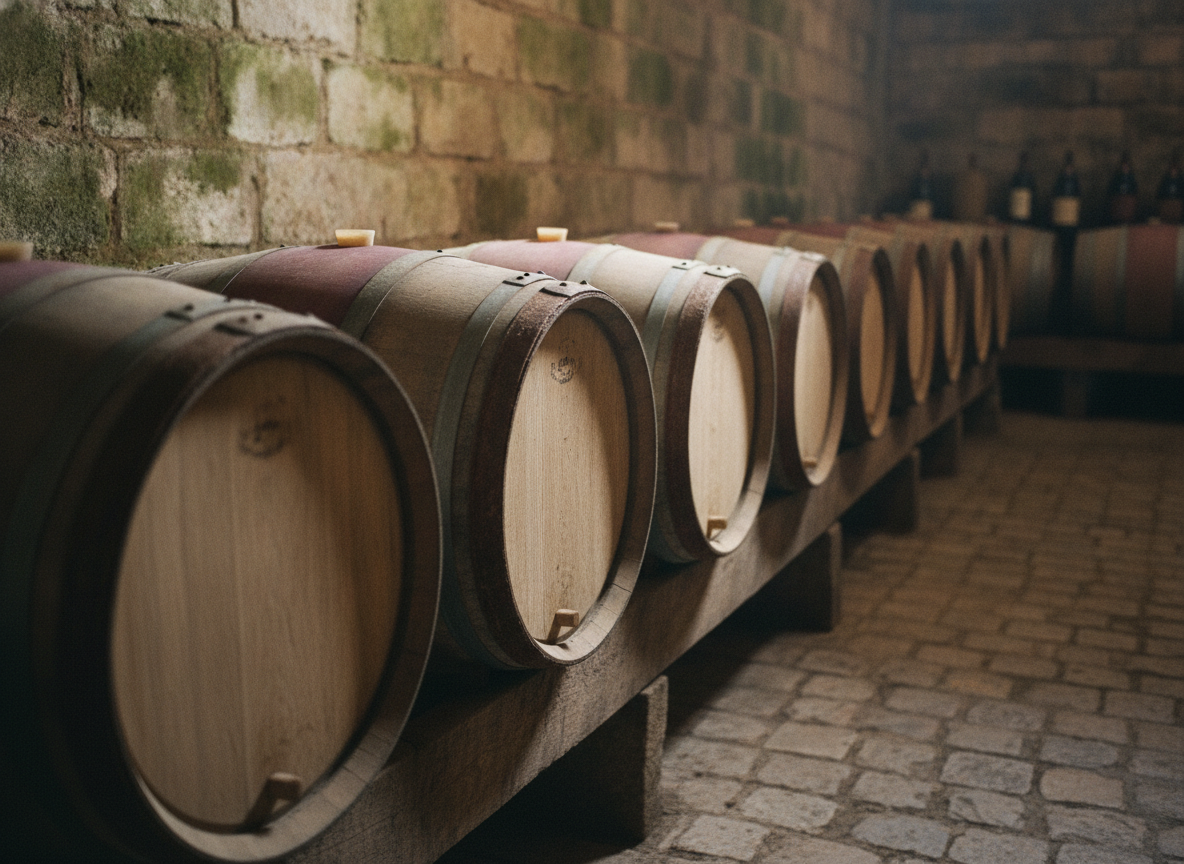
In Rioja, Reserva is law: minimum three years of total ageing, at least one of those in oak. Gran Reserva is five years, two in oak. Tuscany’s Riserva varies by appellation but always implies extended ageing. Port has Reserve as a minimum quality tier with a tasting panel approval.
Outside those few regulated categories, the word means whatever the producer wants it to mean. In California, Australia, and most of the New World, “Reserve” is purely a marketing term — sometimes earned, sometimes printed on a label by a marketing team in the spring.
How to read it on a label
Outside the regulated categories, treat “Reserve” as a claim to check rather than a guarantee. The useful question is whether the producer publishes what it means: a specific parcel, a fruit selection, a longer ageing period. Where a house definition exists and is stated, the word carries real information. Where it doesn’t, it is decoration.
A simple test
Look for a published, dated definition from the producer: “In our house, Reserve means X.” A few estates already do this, and it is the clearest sign that the word on the label has been earned.